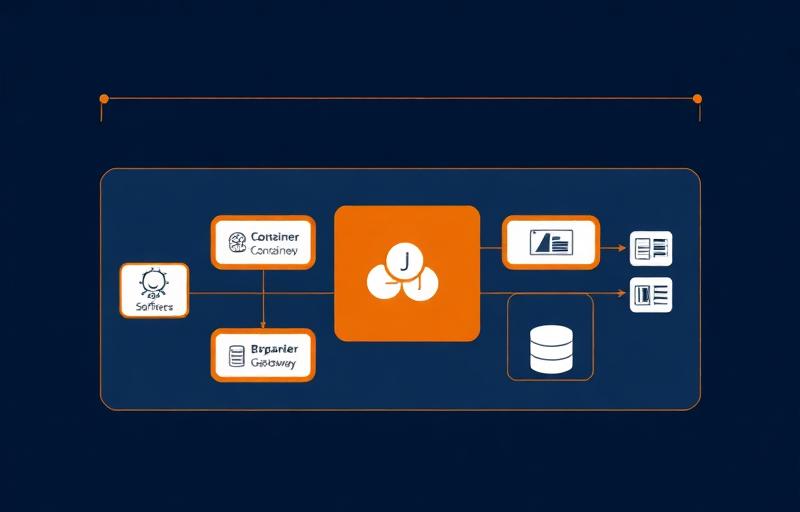
DIY Developer Guide: Building Custom Integrations for Klaviyo
A guide to building custom integrations with Klaviyo's marketing automation APIs for email campaigns, customer segmentation, and eCommerce analytics.
Overview
Klaviyo is a leading marketing automation platform for eCommerce businesses. This guide covers building custom integrations for email/SMS marketing, customer segmentation, and behavioral analytics.
Prerequisites
- Klaviyo account with API access
- Familiarity with RESTful APIs and JSON data structures
- Tools: Postman, Klaviyo API Documentation
Step 1: Authentication
Klaviyo uses API Key authentication with separate public and private keys. Use the private key for server-side API calls.
Step 2: Endpoint Discovery and Data Mapping
Common API Resources: Profiles, Events, Lists, Segments, Campaigns, Flows, Metrics.
Map customer identifiers and event data from your eCommerce platform to Klaviyo profiles and events.
Step 3: Building Integration Flows
- Inbound (to Klaviyo): Track events, create/update profiles, manage list subscriptions
- Outbound (from Klaviyo): Retrieve campaign metrics, segment data, flow performance
Step 4: Error Handling and Rate Limiting
Klaviyo enforces rate limits per API key. Implement exponential backoff for 429 responses. Use bulk endpoints for high-volume operations.
Step 5: Security Best Practices
- Never expose private API keys in client-side code
- Use public keys only for client-side tracking
- Validate webhook signatures
- Monitor API key usage
Step 6: Testing and Validation
- Test with Klaviyo sandbox or test accounts
- Validate event tracking accuracy
- Verify segmentation and flow trigger behavior
Step 7: Deployment and Monitoring
- Monitor event ingestion rates
- Alert on profile sync failures
- Track marketing attribution accuracy
When to Use a Managed Platform
For eCommerce businesses integrating Klaviyo with ERP, helpdesk, and fulfillment systems, a managed integration platform like APIWORX provides unified customer data orchestration.
See the APIWORX platform in action
Tell us about your systems and we'll build a tailored automation plan within 24 hours.
Talk to an expert