From Manual Ops to Autonomous Workflows: A 12-Month Automation Roadmap
Companies fail not because they lack tools but because they lack sequence. This roadmap shows how to move from manual operations to structured autonomy without breaking core systems.
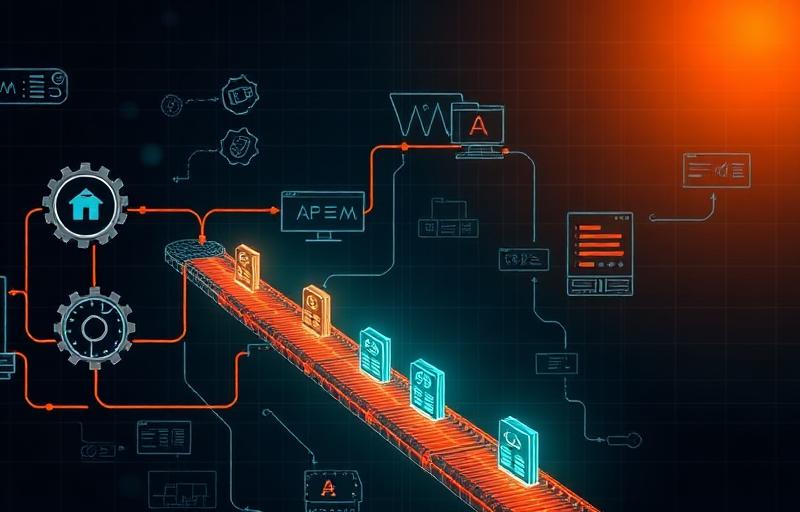
Why Most Automation Efforts Stall
Companies do not fail because they lack tools. They fail because they lack sequence.
Jumping from manual workflows directly into AI-driven automation creates instability. The correct path is phased.
This roadmap shows how to move from manual operations to structured autonomy without breaking core systems.
Phase 1: Stabilize Data Flows
Before automation, ensure:
- ERP and storefront are reconciled
- Inventory sync is consistent
- Payment status flows correctly
- Refund entries match ledger entries
Automation built on unstable data amplifies failure. This phase is about control, not speed.
Phase 2: Automate Deterministic Workflows
Once data integrity is stable:
- Automate order routing
- Automate invoice posting
- Automate shipment confirmation
- Automate refund posting
No AI yet. Only rule-based execution. Goal: Reduce manual load while preserving reliability.
Phase 3: Introduce AI Decision Layers
After deterministic automation is trusted:
- Add anomaly detection for tax or pricing issues
- Add intelligent exception prioritization
- Add fraud scoring
- Add predictive inventory alerts
AI supports decisions. It does not replace controls.
Phase 4: Governance and Observability
As automation expands:
- Define alert thresholds
- Assign workflow owners
- Log all decision paths
- Create review queues for edge cases
Autonomy without governance becomes risk.
Phase 5: Optimization and ROI Tracking
Measure:
- Minutes saved per order
- Error rate reduction
- Inventory drift percentage
- Refund reconciliation rate
- Support ticket reduction
Optimization is ongoing. Autonomy is never "done."
Why This Sequence Works
Stability → Determinism → Intelligence → Governance → Optimization.
Reversing this order leads to chaos. Structured progression leads to sustainable scale.
See the APIWORX platform in action
Tell us about your systems and we'll build a tailored automation plan within 24 hours.
Talk to an expert