DIY Developer Guide: Building Custom Integrations for WooCommerce
A comprehensive guide to building custom integrations with WooCommerce REST API for WordPress-based eCommerce operations.
Overview
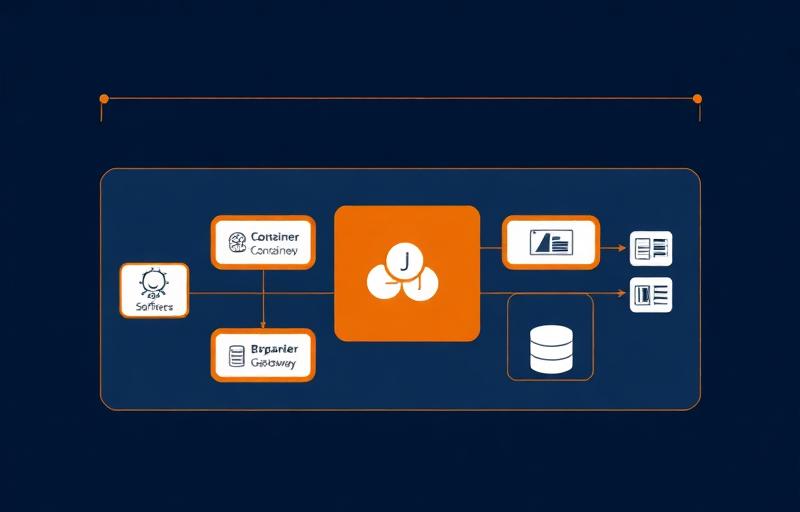
WooCommerce is the most popular WordPress eCommerce plugin. This guide covers building custom integrations using the WooCommerce REST API for order management, inventory sync, and ERP connectivity.
Prerequisites
- WooCommerce store with REST API enabled
- Familiarity with RESTful APIs, OAuth 1.0a, and JSON data structures
- Tools: Postman, WooCommerce REST API Documentation
Step 1: Authentication
WooCommerce uses OAuth 1.0a or API Key + Secret authentication. Generate API keys from WooCommerce settings.
Step 2: Endpoint Discovery and Data Mapping
Common API Resources: Products, Orders, Customers, Coupons, Categories, Shipping, Taxes, Reports.
Map WooCommerce product attributes and variations to your ERP item structure.
Step 3: Building Integration Flows
- Inbound (to WooCommerce): Update inventory, create products, manage pricing
- Outbound (from WooCommerce): Retrieve orders, customer data, sales reports via webhooks or polling
Step 4: Error Handling and Rate Limiting
Handle WordPress hosting-specific limitations. Implement pagination for large catalogs. Use webhooks to reduce polling overhead.
Step 5: Security Best Practices
- Store API credentials securely
- Require HTTPS for API access
- Validate webhook signatures
- Implement IP whitelisting where possible
Step 6: Testing and Validation
- Test against WooCommerce staging sites
- Validate product sync with variations
- Verify order webhook delivery and processing
Step 7: Deployment and Monitoring
- Monitor API response times (hosting dependent)
- Alert on order sync failures
- Track inventory accuracy
When to Use a Managed Platform
For WooCommerce stores with complex multi-channel and ERP requirements, a managed integration platform like APIWORX provides reliable commerce orchestration without plugin dependency risks.
See the APIWORX platform in action
Tell us about your systems and we'll build a tailored automation plan within 24 hours.
Talk to an expert