DIY Developer Guide: Building Custom Integrations for USPS
Learn how to build custom integrations with USPS Web Tools APIs for shipping rate calculation, label generation, and package tracking.
Overview
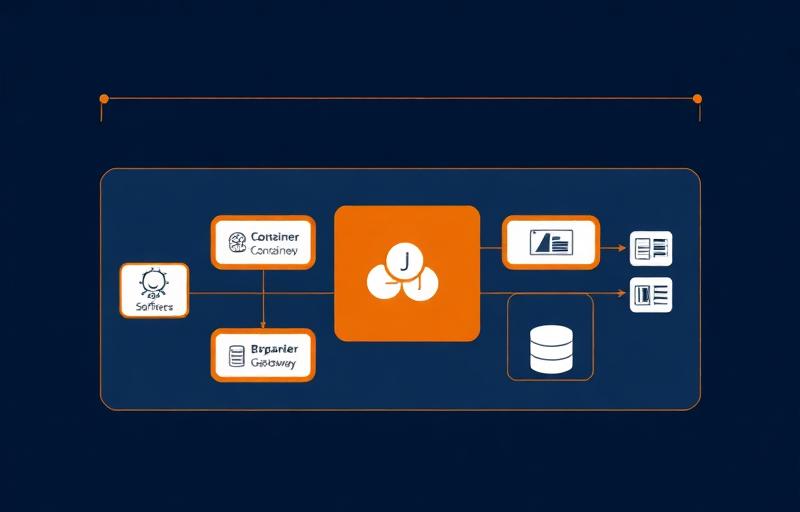
USPS Web Tools provide APIs for shipping rates, address validation, label generation, and package tracking. This guide covers building custom integrations for eCommerce and logistics operations.
Prerequisites
- USPS Web Tools API registration and User ID
- Familiarity with XML-based APIs and REST endpoints
- Tools: Postman, USPS Web Tools Documentation
Step 1: Authentication
USPS uses User ID-based authentication passed as query parameters. Register for Web Tools access through the USPS developer portal.
Step 2: Endpoint Discovery and Data Mapping
Common API Resources: Rate Calculator, Address Validation, Tracking, Label Generation, Pickup Scheduling.
Map shipping dimensions, weights, and service classes to USPS nomenclature.
Step 3: Building Integration Flows
- Inbound (to USPS): Request shipping rates, generate labels, schedule pickups
- Outbound (from USPS): Retrieve tracking updates, delivery confirmations, address corrections
Step 4: Error Handling and Rate Limiting
Handle XML parsing errors and invalid address responses. Implement retry logic for service timeouts.
Step 5: Security Best Practices
- Store User IDs in environment variables
- Use HTTPS for all API communications
- Validate addresses before label generation
- Log all shipping transactions
Step 6: Testing and Validation
- Use USPS test environment for development
- Validate rate calculations against known shipments
- Test label generation for all service classes
Step 7: Deployment and Monitoring
- Monitor label generation success rates
- Alert on tracking update failures
- Track shipping cost variances
When to Use a Managed Platform
For businesses shipping across multiple carriers including USPS, a managed integration platform like APIWORX consolidates carrier integrations into a unified shipping workflow.
See the APIWORX platform in action
Tell us about your systems and we'll build a tailored automation plan within 24 hours.
Talk to an expert