DIY Developer Guide: Building Custom Integrations for Infoplus
A guide to building custom integrations with Infoplus WMS APIs for warehouse operations, inventory management, and fulfillment automation.
Overview
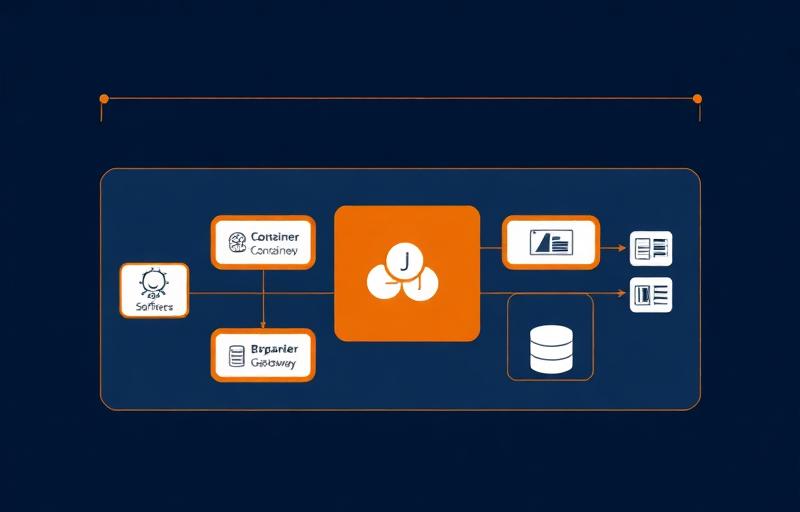
Infoplus is a cloud-based warehouse management system for 3PLs and direct-to-consumer fulfillment. This guide covers building custom integrations for warehouse operations and fulfillment automation.
Prerequisites
- Infoplus account with API access
- Familiarity with RESTful APIs and JSON data structures
- Tools: Postman, Infoplus API Documentation
Step 1: Authentication
Infoplus uses API Key authentication. Include your API key in request headers for all calls.
Step 2: Endpoint Discovery and Data Mapping
Common API Resources: Orders, Items, Inventory, Warehouses, Shipments, Receipts, Work Activities.
Map Infoplus item masters and warehouse zones to your external systems.
Step 3: Building Integration Flows
- Inbound (to Infoplus): Create orders, receive inventory, manage item masters
- Outbound (from Infoplus): Retrieve fulfillment statuses, inventory snapshots, shipment tracking
Step 4: Error Handling and Rate Limiting
Handle validation errors for order submissions. Implement pagination for large result sets.
Step 5: Security Best Practices
- Store API keys in secure vaults
- Use HTTPS for all communications
- Implement webhook verification
- Audit API access patterns
Step 6: Testing and Validation
- Test against Infoplus sandbox
- Validate order-to-fulfillment workflows
- Verify inventory accuracy across zones
Step 7: Deployment and Monitoring
- Monitor fulfillment SLAs
- Alert on order processing failures
- Track inventory accuracy metrics
When to Use a Managed Platform
For 3PLs and fulfillment operations managing multiple clients and channels, a managed integration platform like APIWORX handles the complexity of multi-tenant warehouse orchestration.
See the APIWORX platform in action
Tell us about your systems and we'll build a tailored automation plan within 24 hours.
Talk to an expert