DIY Developer Guide: Building Custom Integrations for Extensiv Brand Manager
Build secure, scalable custom integrations with Extensiv Brand Manager for multi-channel inventory, listing, and order management.

Overview
Extensiv Brand Manager is designed to help brands consolidate inventory, manage listings, and streamline orders across multiple marketplaces and sales channels. This guide provides a clear, actionable framework for building secure, scalable custom integrations with ERP, eCommerce, and fulfillment platforms.
Prerequisites
- Extensiv Brand Manager API access credentials
- API Key and Secret or OAuth 2.0 setup
- Familiarity with RESTful APIs, OAuth 2.0 Authentication, JSON data structures
- Tools: Postman, Extensiv API Documentation, SDKs (Node.js, Python)
Step 1: Authentication
Extensiv Brand Manager APIs use OAuth 2.0 authentication with client credentials flow.
Step 2: Endpoint Discovery and Data Mapping
Common API Resources: Products and Listings, Orders, Inventory, Channels, Fulfillment Updates.
Map internal product catalogs and order structures to Extensiv's data model carefully, accounting for multi-marketplace field variations.
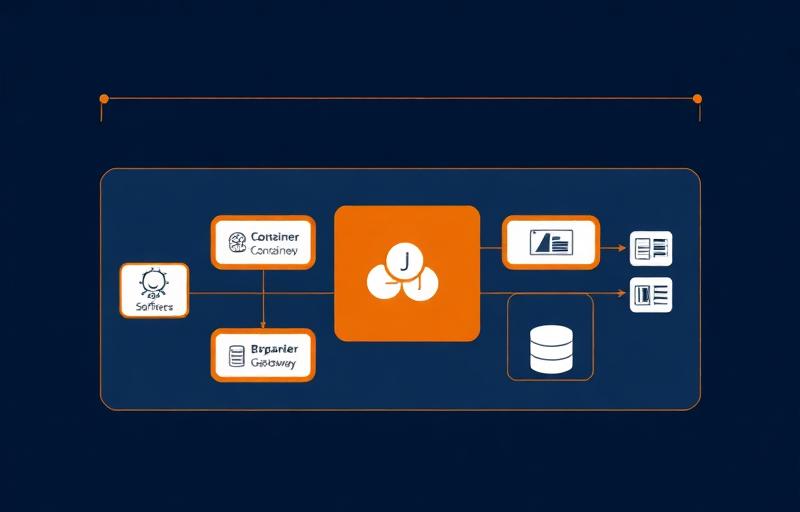
Step 3: Building Integration Flows
- Inbound (to Extensiv): Push product listings, update inventory levels, sync orders
- Outbound (from Extensiv): Retrieve order statuses, inventory snapshots, channel performance data
Step 4: Error Handling and Rate Limiting
Handle OAuth token expiration gracefully with automatic refresh. Implement retry logic for transient API errors and respect rate limits.
Step 5: Security Best Practices
- Store OAuth credentials securely
- Use HTTPS for all API communications
- Implement least-privilege access for API consumers
- Monitor for unauthorized access attempts
Step 6: Testing and Validation
- Test integrations against Extensiv sandbox environments
- Validate multi-channel inventory accuracy
- Verify order routing logic across marketplace channels
Step 7: Deployment and Monitoring
- Deploy with CI/CD pipelines
- Monitor API response times and error rates
- Set up alerts for inventory sync failures and order discrepancies
When to Use a Managed Platform
For brands selling across 5+ channels with complex inventory allocation rules, a managed integration platform like APIWORX can handle the orchestration complexity while you focus on growth.
See the APIWORX platform in action
Tell us about your systems and we'll build a tailored automation plan within 24 hours.
Talk to an expert