DIY Developer Guide: Building Custom Integrations for Squarespace
Learn how to build custom integrations with Squarespace Commerce APIs for order management, inventory sync, and storefront operations.
Overview
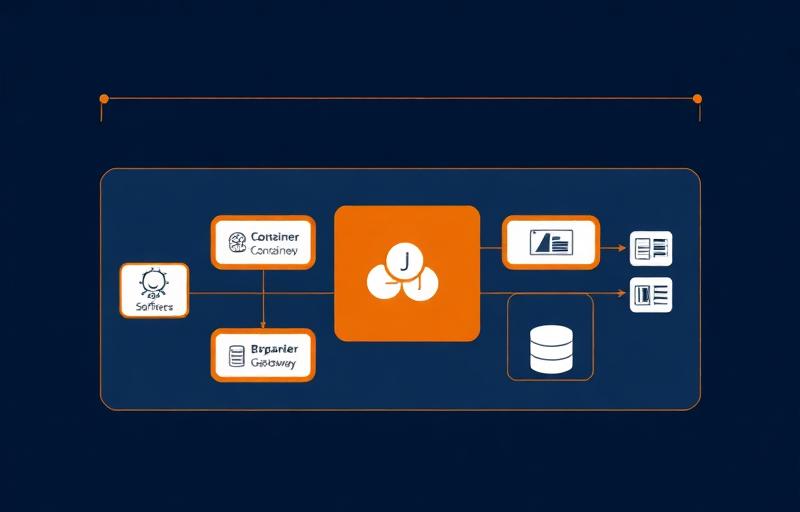
Squarespace Commerce provides APIs for managing online stores, processing orders, and syncing inventory. This guide covers building custom integrations with ERP systems and fulfillment providers.
Prerequisites
- Squarespace Commerce account with API access
- Familiarity with RESTful APIs, OAuth 2.0, and JSON data structures
- Tools: Postman, Squarespace API Documentation
Step 1: Authentication
Squarespace uses OAuth 2.0 for API authentication. Register your application and obtain access tokens through the authorization flow.
Step 2: Endpoint Discovery and Data Mapping
Common API Resources: Orders, Products, Inventory, Transactions, Profiles.
Map Squarespace product variants and inventory to your ERP item structure.
Step 3: Building Integration Flows
- Inbound (to Squarespace): Update inventory levels, modify product details
- Outbound (from Squarespace): Retrieve orders, customer profiles, transaction data
Step 4: Error Handling and Rate Limiting
Squarespace enforces API rate limits. Implement exponential backoff and handle pagination for large datasets.
Step 5: Security Best Practices
- Store OAuth tokens securely
- Use HTTPS for all communications
- Validate webhook signatures
- Implement minimal API scopes
Step 6: Testing and Validation
- Test against Squarespace sandbox stores
- Validate inventory sync accuracy
- Verify order retrieval and status updates
Step 7: Deployment and Monitoring
- Monitor API usage and rate limit consumption
- Alert on order sync failures
- Track inventory discrepancies
When to Use a Managed Platform
For businesses running Squarespace alongside ERP and fulfillment systems, a managed integration platform like APIWORX simplifies multi-system orchestration.
See the APIWORX platform in action
Tell us about your systems and we'll build a tailored automation plan within 24 hours.
Talk to an expert