DIY Developer Guide: Building Custom Integrations for Shopify
Learn how to build custom integrations with Shopify's REST and GraphQL APIs for eCommerce operations, inventory management, and order fulfillment.

Overview
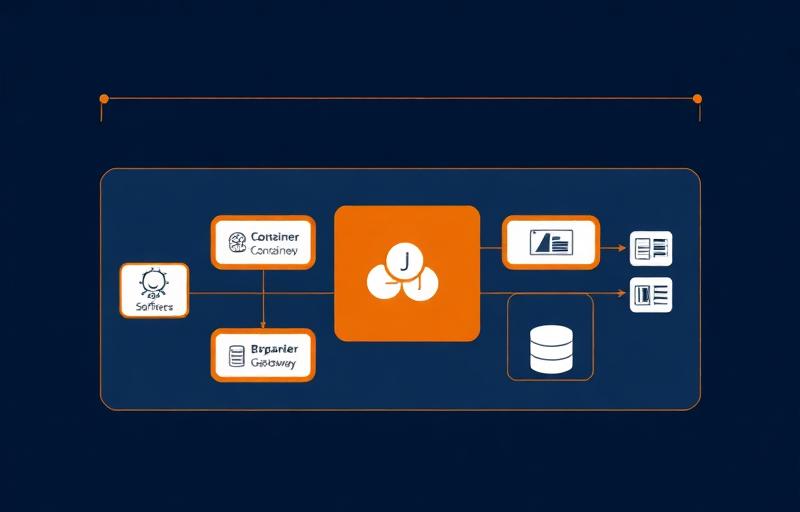
Shopify is the leading eCommerce platform powering millions of online stores worldwide. This guide provides a structured framework for building custom integrations with ERP systems, warehouses, CRMs, and third-party tools.
Prerequisites
- Shopify Partner Account or Custom App credentials
- Familiarity with RESTful APIs, GraphQL, OAuth 2.0, and JSON/GraphQL data structures
- Tools: Postman, Shopify API Documentation, Shopify CLI
Step 1: Authentication
Shopify uses OAuth 2.0 for public apps and API Key + Access Token for custom/private apps. Use the Admin API access token for all subsequent requests.
Step 2: Endpoint Discovery and Data Mapping
Common API Resources: Products, Orders, Customers, Inventory, Fulfillments, Webhooks.
Map Shopify resources to your ERP or WMS fields. Pay attention to variant-level inventory and multi-location support.
Step 3: Building Integration Flows
- Inbound (to Shopify): Update inventory levels, create products, manage fulfillments
- Outbound (from Shopify): Retrieve orders, customer data, product catalogs via webhooks or polling
Step 4: Error Handling and Rate Limiting
Shopify enforces API rate limits (REST: 2 requests/second, GraphQL: cost-based). Implement exponential backoff and respect Retry-After headers.
Step 5: Security Best Practices
- Store access tokens securely, never in client-side code
- Validate webhook HMAC signatures
- Use minimal API scopes
- Implement IP whitelisting where possible
Step 6: Testing and Validation
- Use Shopify development stores for testing
- Validate inventory sync across multiple locations
- Test webhook delivery and retry behavior
Step 7: Deployment and Monitoring
- Monitor API usage against rate limits
- Set up alerting for failed order syncs
- Log all API interactions for audit trails
When to Use a Managed Platform
For businesses running multi-channel Shopify operations with complex ERP and fulfillment requirements, a managed integration platform like APIWORX provides the orchestration layer needed to scale without custom maintenance overhead.
See the APIWORX platform in action
Tell us about your systems and we'll build a tailored automation plan within 24 hours.
Talk to an expert