DIY Developer Guide: Building Custom Integrations for eBay
A comprehensive guide to building custom integrations with eBay's REST APIs for listing management, order processing, and inventory synchronization.
Overview
eBay is one of the world's largest online marketplaces. This guide covers building custom integrations using eBay's REST APIs for listing management, order processing, inventory sync, and fulfillment.
Prerequisites
- eBay Developer Program account and API credentials
- Familiarity with RESTful APIs, OAuth 2.0, and JSON data structures
- Tools: Postman, eBay API Explorer, eBay SDK
Step 1: Authentication
eBay uses OAuth 2.0 with application and user tokens. Implement the authorization code grant flow for user-level access.
Step 2: Endpoint Discovery and Data Mapping
Common API Resources: Inventory, Orders, Fulfillment, Browse, Taxonomy, Account.
Map eBay item specifics and category IDs to your internal product catalog.
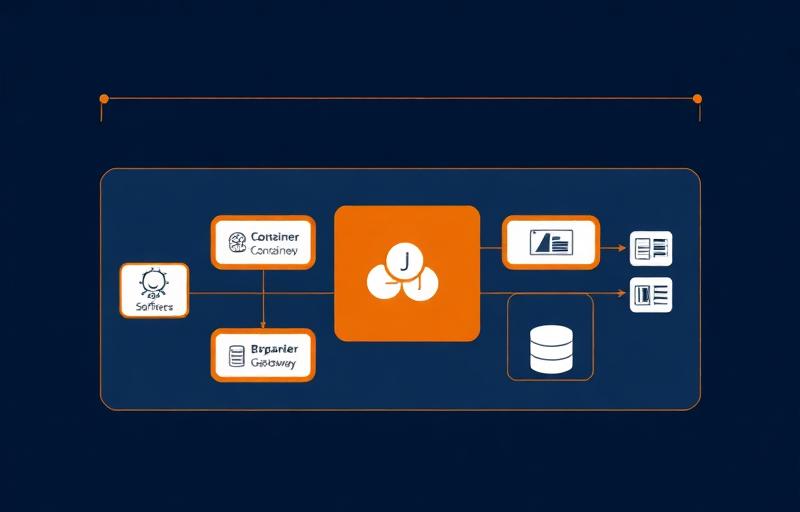
Step 3: Building Integration Flows
- Inbound (to eBay): Create/update listings, manage inventory, fulfill orders
- Outbound (from eBay): Retrieve orders, buyer messages, settlement reports
Step 4: Error Handling and Rate Limiting
eBay enforces per-API rate limits. Handle long-running calls with pagination. Implement retry logic for transient errors.
Step 5: Security Best Practices
- Store OAuth tokens securely with refresh token rotation
- Validate webhook notifications
- Use minimal API scopes
- Monitor for suspicious activity
Step 6: Testing and Validation
- Use eBay Sandbox for development
- Validate listing creation and inventory updates
- Test order retrieval and fulfillment workflows
Step 7: Deployment and Monitoring
- Monitor API call quotas and throttling
- Alert on listing sync failures
- Track order processing latency
When to Use a Managed Platform
For sellers operating across eBay and other marketplaces with ERP back-ends, a managed integration platform like APIWORX provides unified multi-marketplace orchestration.
See the APIWORX platform in action
Tell us about your systems and we'll build a tailored automation plan within 24 hours.
Talk to an expert